SIAMESE MAH JONGG · DAY S2
When to declare
- You'll learn
- Decide whether to secure a completed hand or keep its tiles available.
- Time
- 6 minutes
- Builds on
- Your first Siamese mahjong
- Up next
- Siamese endings and scoring
- Why it helps
- You'll explore when to secure a completed hand and when waiting might help your other one.
SAVE YOUR PATH
Create an account
Save your progress and pick up where you left off.
A finished hand gives you an interesting choice: declare it now, or keep its tiles available a little longer. Let's weigh both options.
Declaring secures your first mahjong
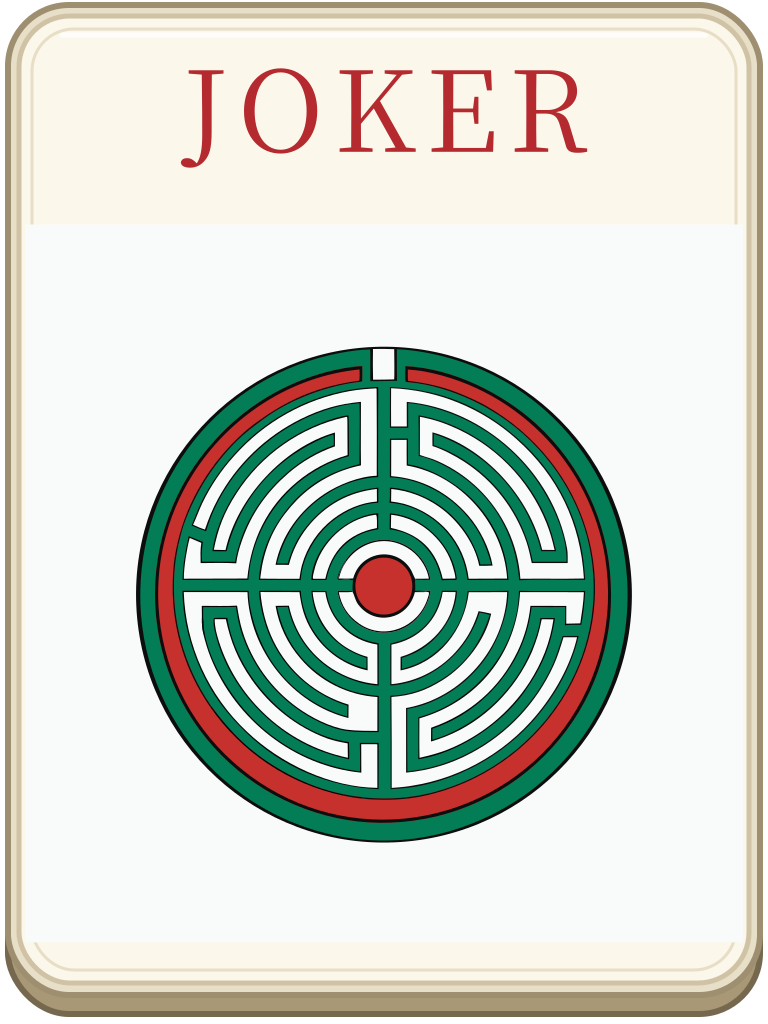
When your first hand is complete, you can declare it or wait. Declaring secures its value. Waiting keeps its tiles and jokers available. The risk is that the game ends before you declare.
Two questions can help you decide:
- Does my other hand need a joker or tile from this completed hand?
- Could my opponent or the empty wall end the game soon?
Declare when the game may end soon
If your opponent already has one mahjong, their next mahjong ends the game. A nearly empty wall also leaves little time. Declaring your completed hand is a way to secure its score.
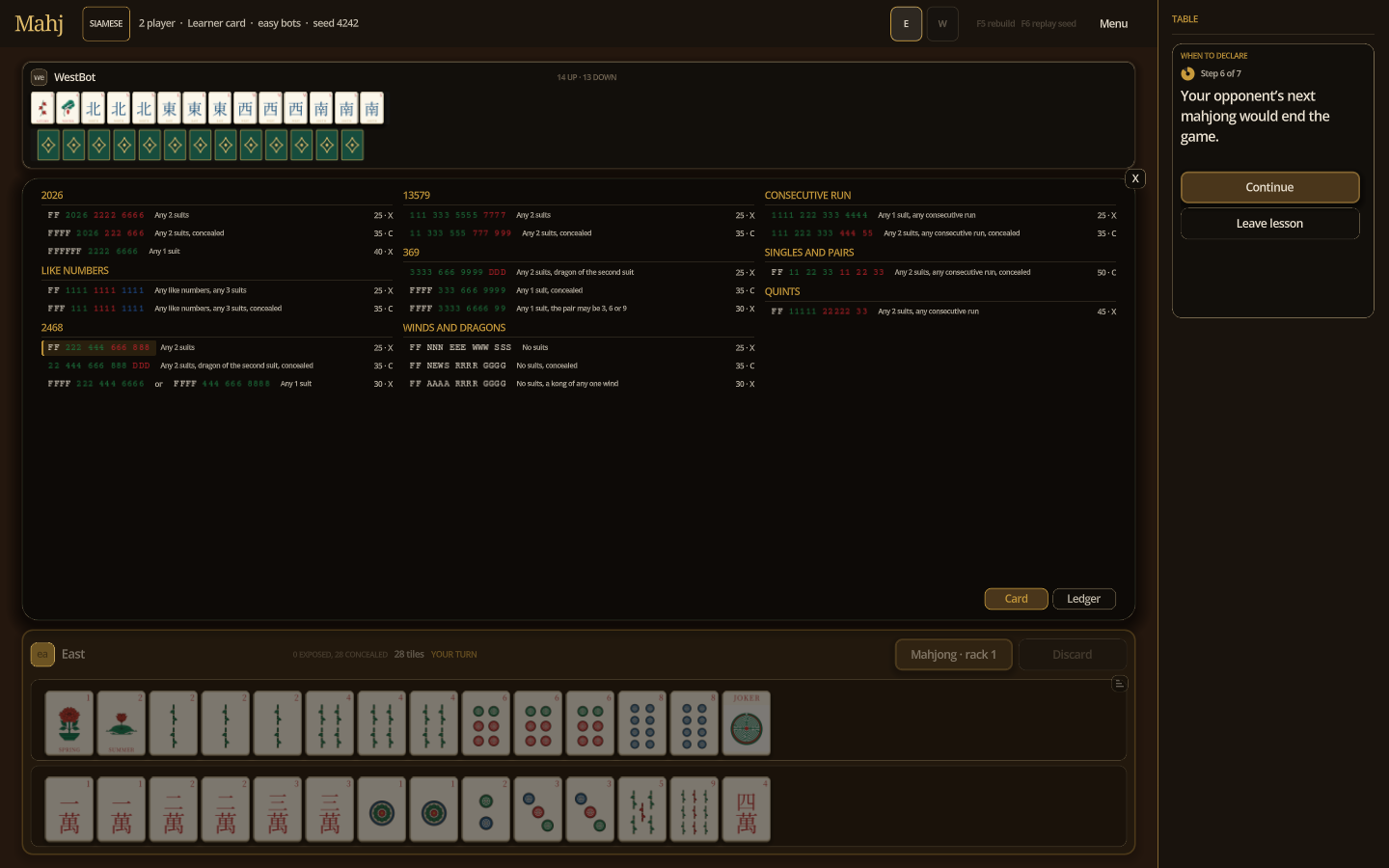
Wait only for a useful reason
Waiting may help if your other hand needs a joker from the completed hand. Look for something that keeping those tiles available would let you do.
Your opponent's exposures give clues, but a hidden hand can be close to winning too. No exposures does not guarantee that you have time.
You don't need one answer for every game. Take another look at the wall, your opponent and both hands as the position changes.
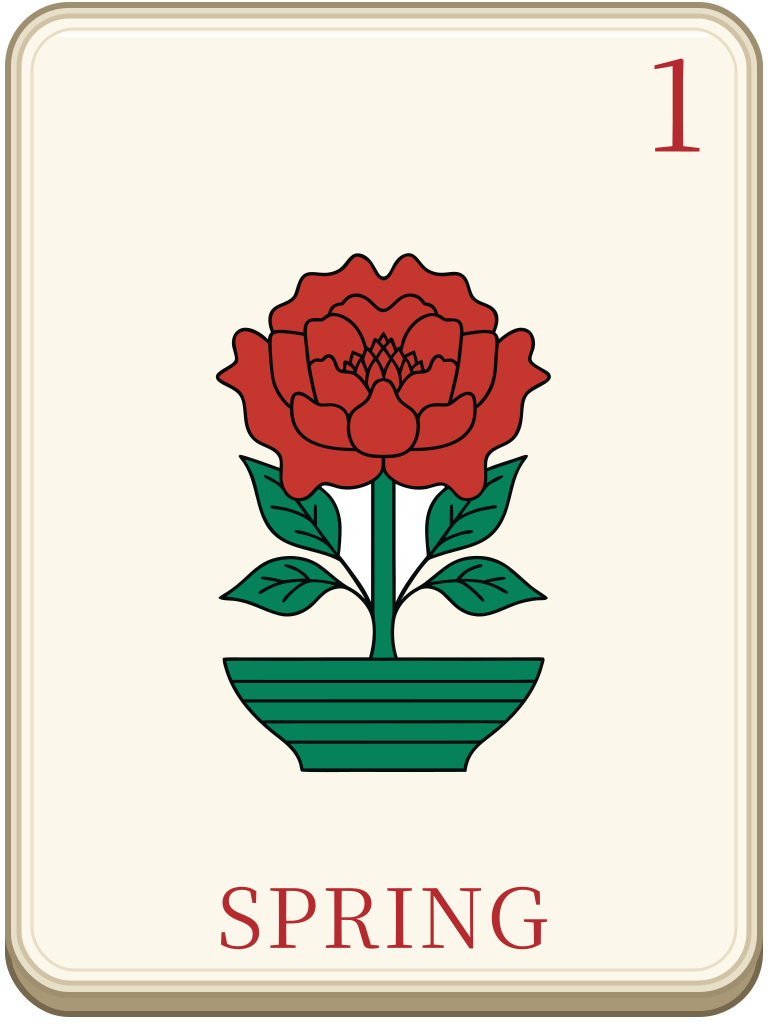
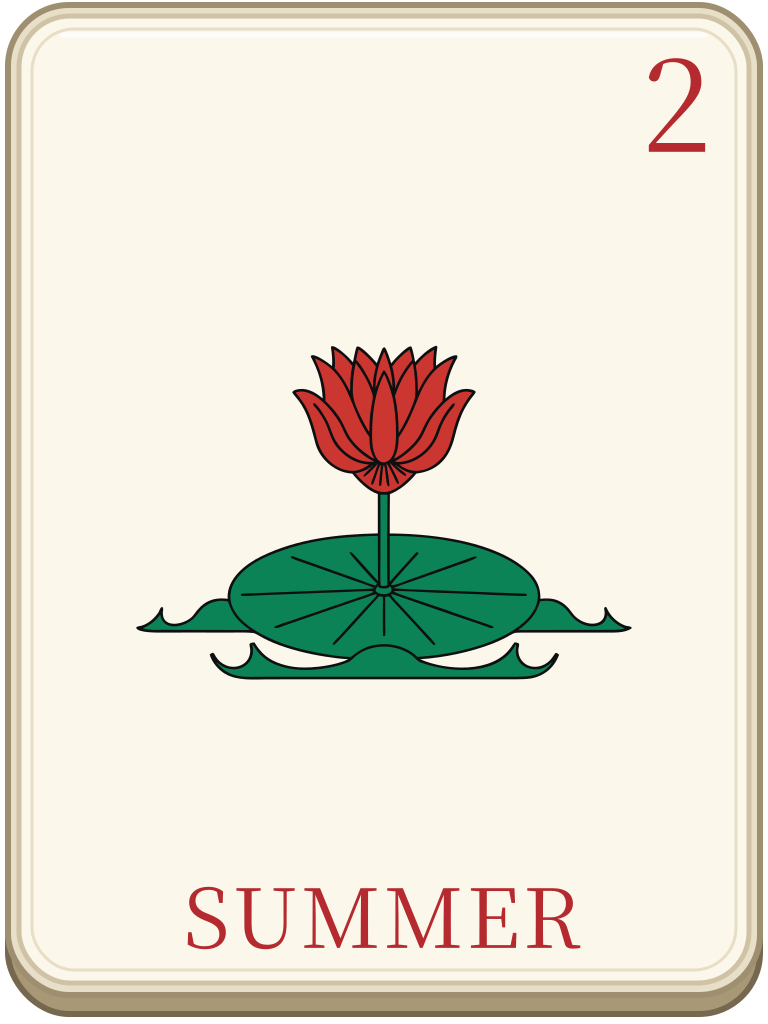 222
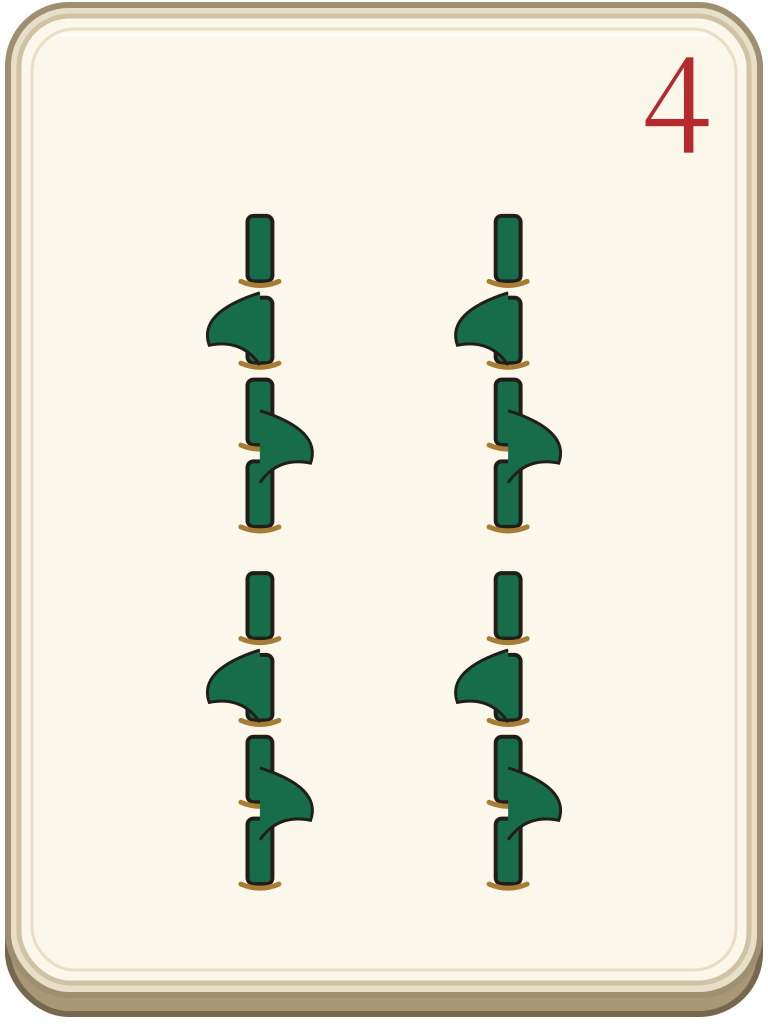
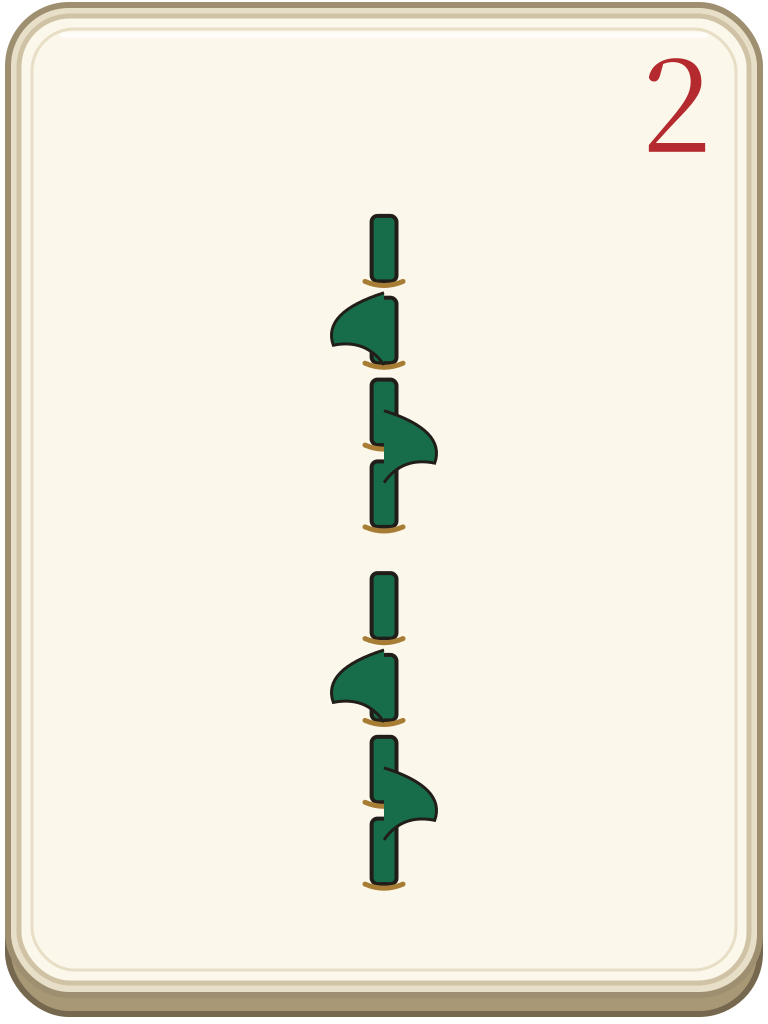 444
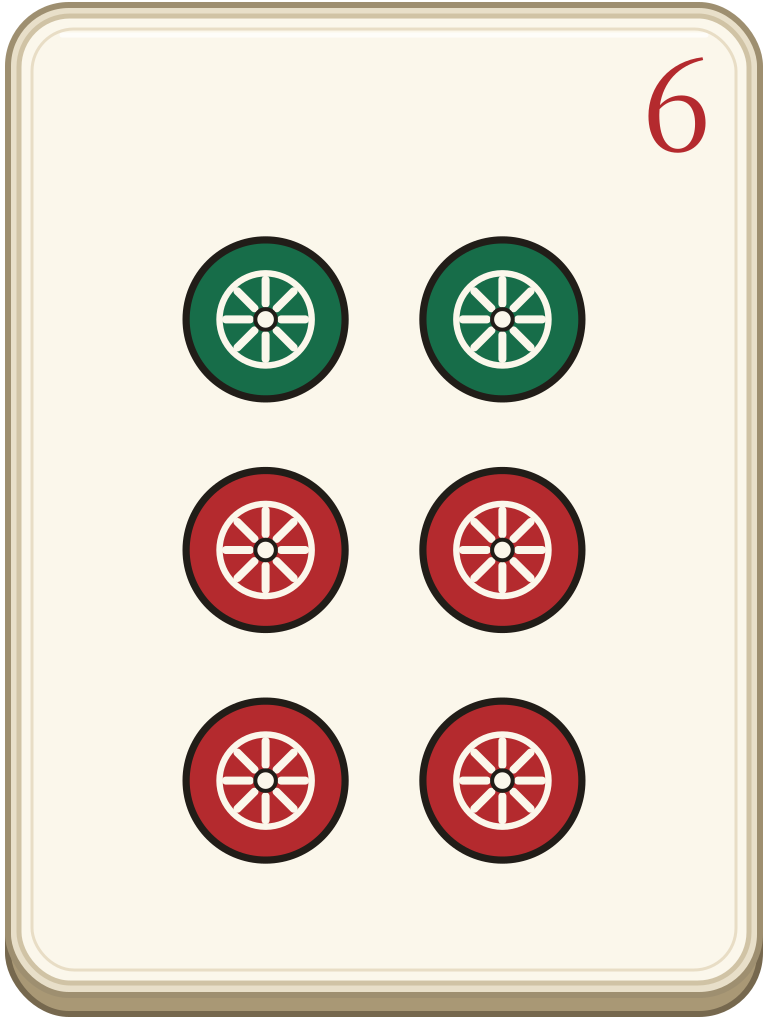
 666
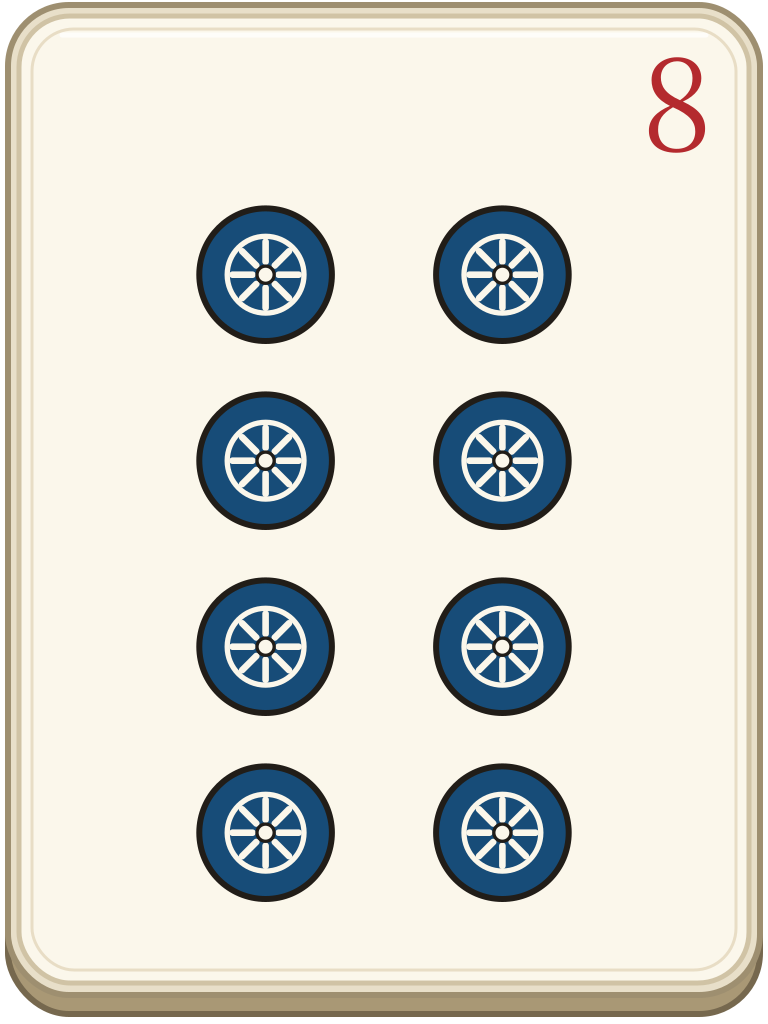
 888
Remember
Declare to secure the hand. Wait to keep useful tiles available, knowing the game could end first.
Teaches on the Learner card · reviewed 2026-09-14