AMERICAN MAH JONGG · DAY 1
Pairs, pungs, kongs and quints
- You'll learn
- Recognise groups of two, three, four and five matching tiles.
- Time
- 4 minutes
- Builds on
- Meet the tiles
- Up next
- Your first mahjong
- Why it helps
- Spotting a few matches is your first step toward building a winning hand.
SAVE YOUR PATH
Create an account
Save your progress and pick up where you left off.
Once you recognise the tiles, you can start spotting matches. Those little groups are the beginnings of a hand.
Match the tiles, then count them
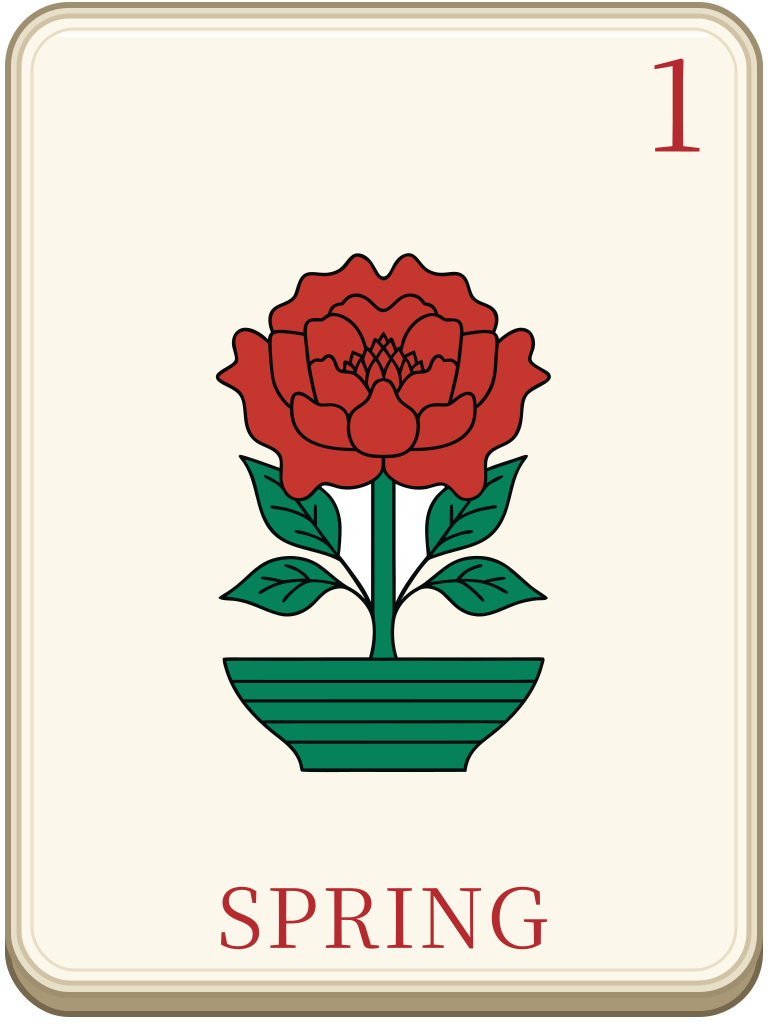
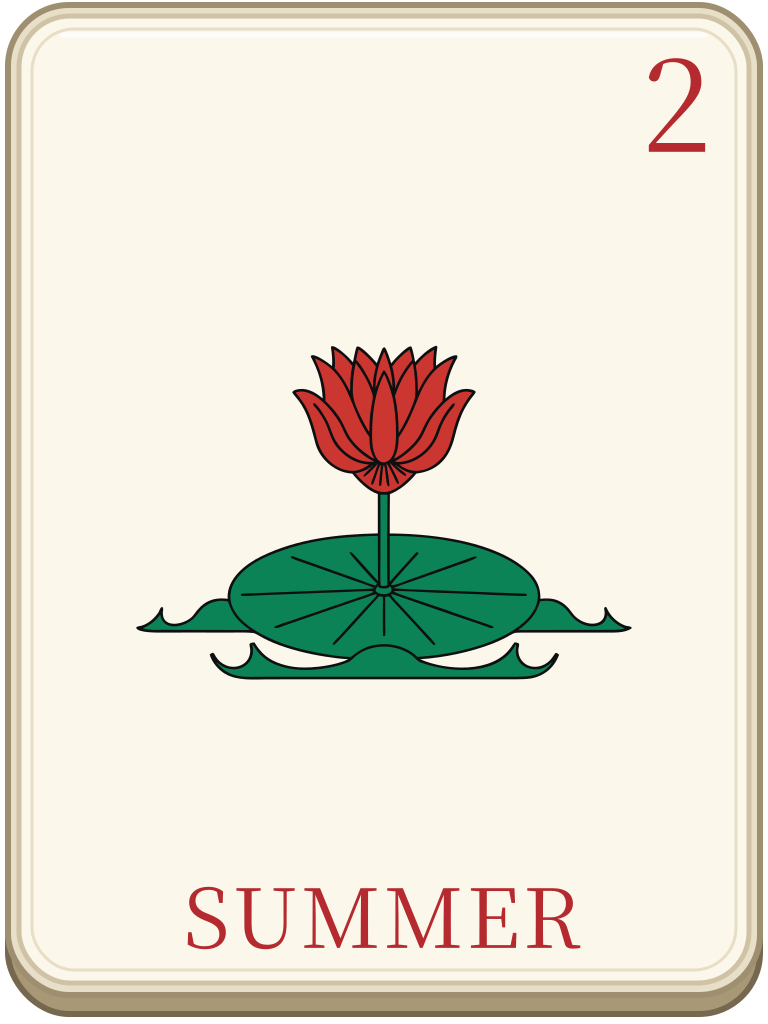
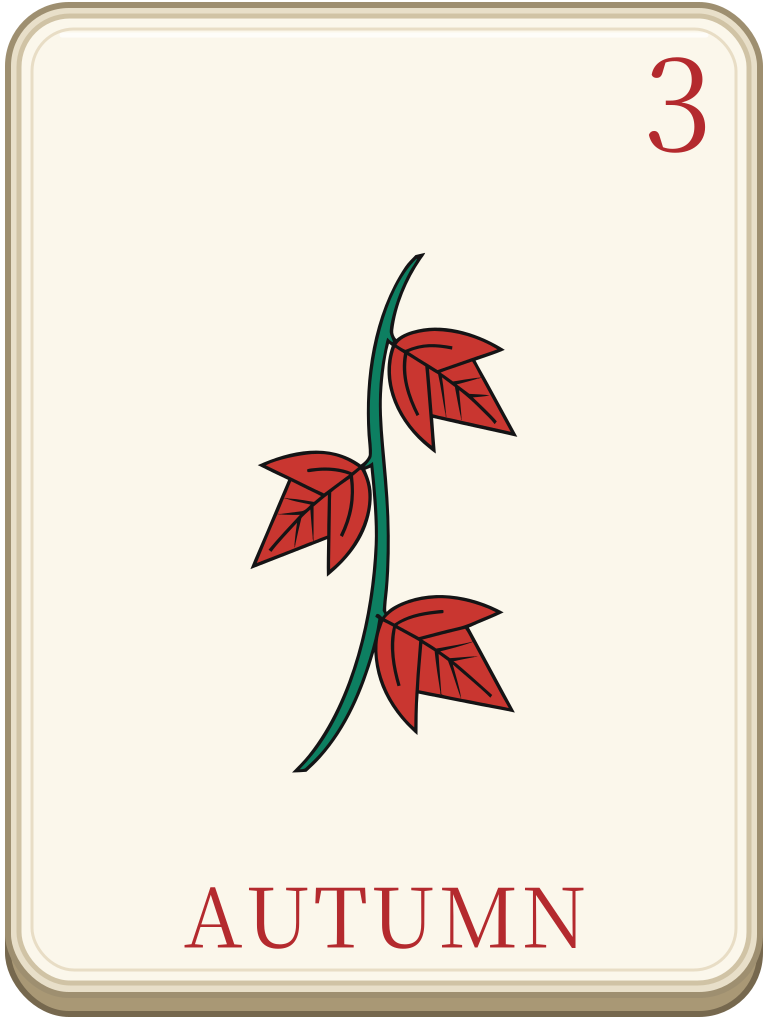
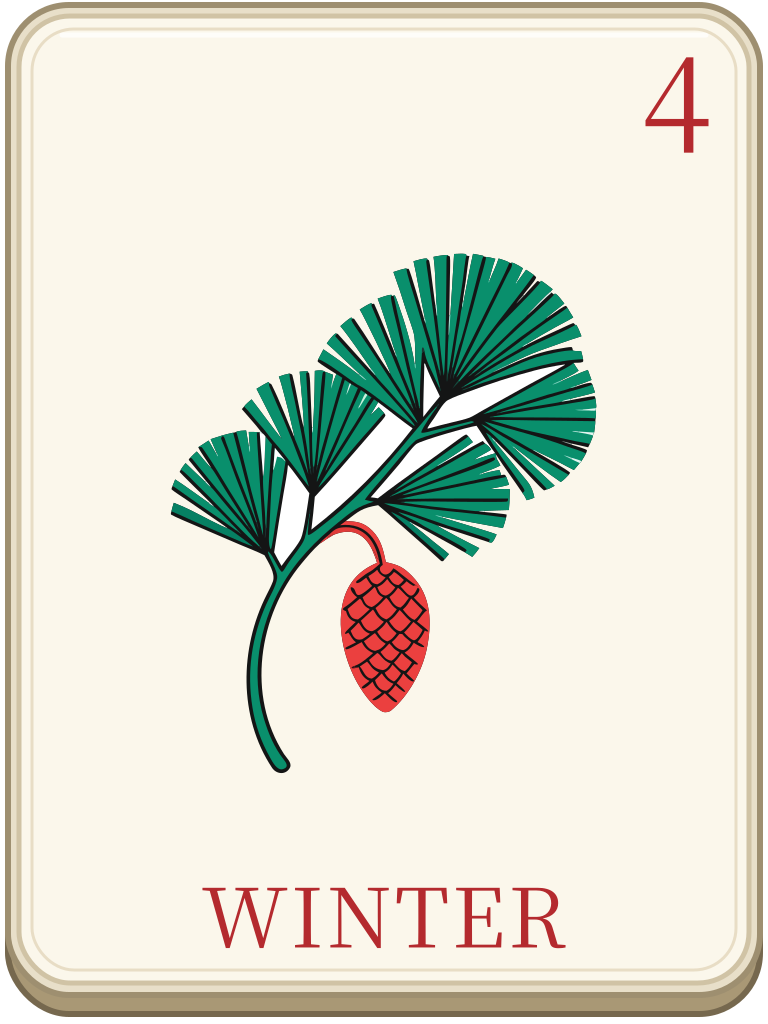
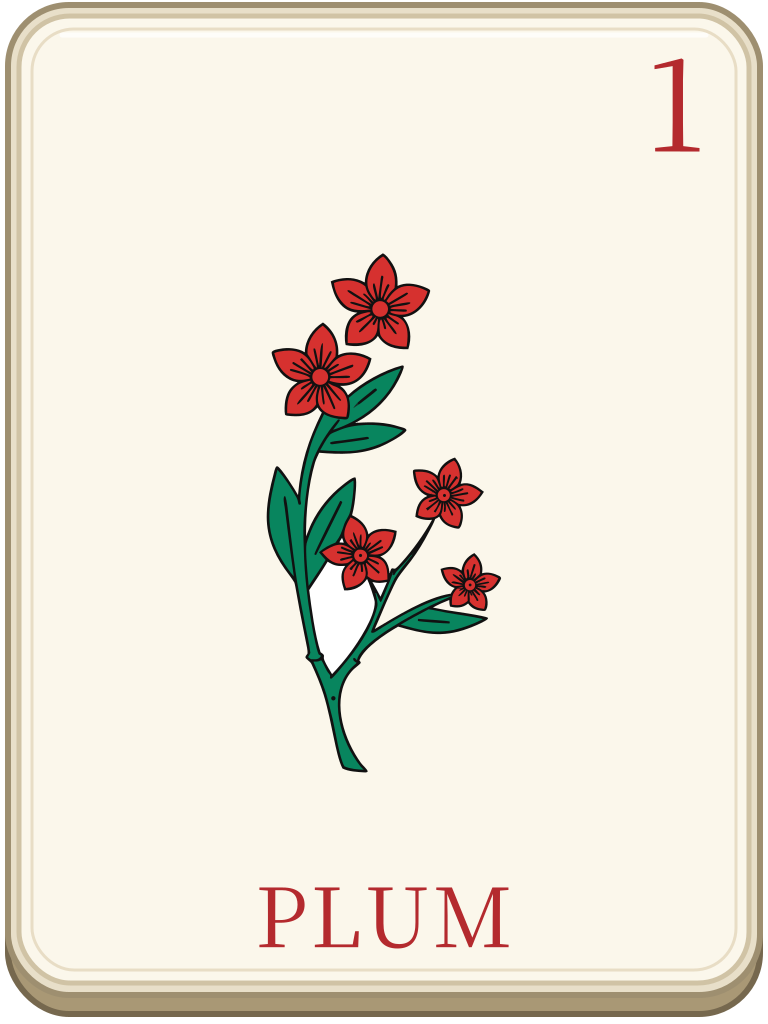
Matching tiles have the same number and suit, or are the same wind or dragon. Flowers have different artwork, but every flower still matches every other flower.
The names may be new, but each one simply tells you how many matching tiles you have.
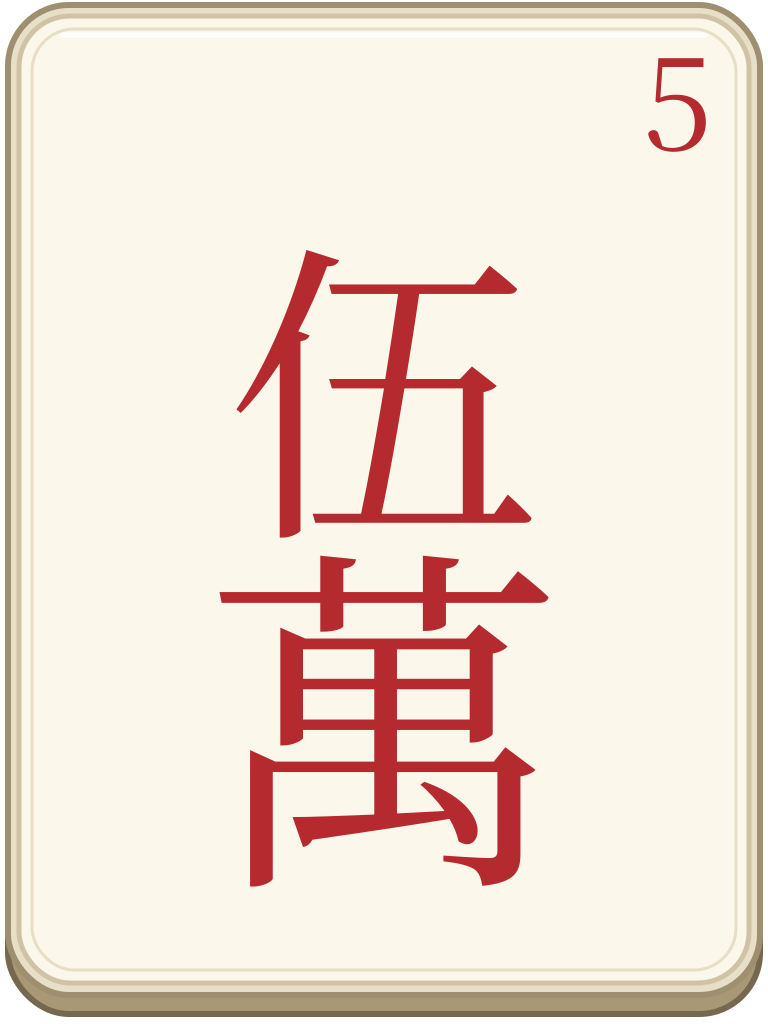 Pung: 3
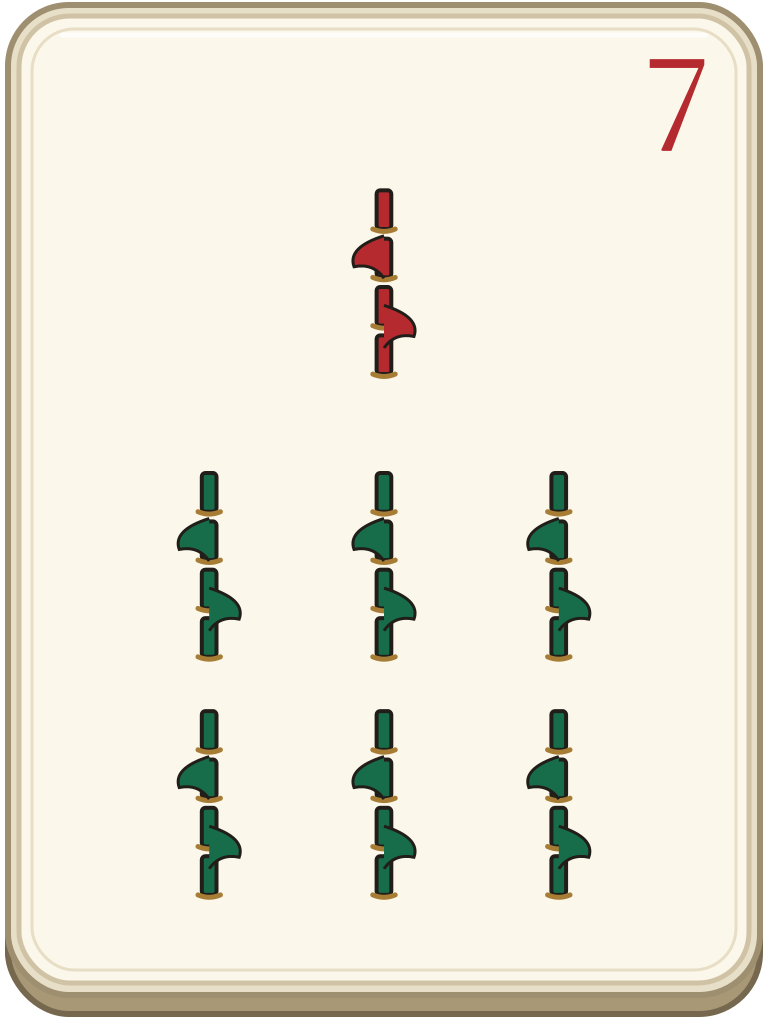 Kong: 4
 Quint: 5
Two 3 Craks make a pair. A 3 Crak and a 3 Bam do not: their suits differ. A 3 Crak and a 5 Crak do not match either: their numbers differ.
Find the groups in your rack
Try putting matching tiles beside each other. It makes your finished groups easier to spot, along with the tiles still waiting for a match.
Have a pair of 7 Bams? One more turns it into a pung. Whether you need that pung depends on the hand you're building.
Add onePung: 3 tilesThere are only four copies of each numbered tile, so a quint of that tile needs at least one joker. Flowers have eight copies, so you can make a flower quint without one.
Remember
Pair 2. Pung 3. Kong 4. Quint 5. Count matching tiles, not just tiles from the same suit.
Teaches on the Learner card · reviewed 2026-09-14